How can photography impact our appreciation and understanding of the material world?
Across the world, the past several decades have witnessed increasing efforts to document and preserve objects through photography. Professionals working in the field of cultural heritage documentation have a myriad of options when it comes to photographing objects—from traditional two-dimensional photography using digital cameras with high resolution to more technologically-advanced forms of documentation like photogrammetry. But before choosing a particular photographic approach for cultural heritage documentation projects, it is important to understand the opportunities and limitations of photography in a more general way.
Exactly what information about three-dimensional objects is conveyed through photography? Can photographs – which involve multiple stages of behind-the-scenes interpretive decision-making—ever be truly neutral? And if not, how does photography influence our understanding of and appreciation for ancient objects and the cultures that produced them?
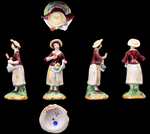
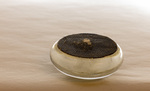
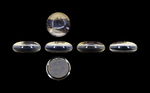
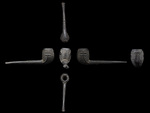
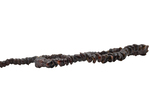
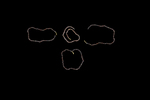
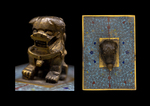
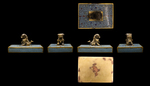
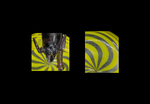
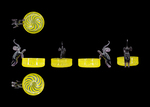
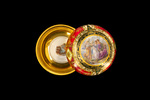
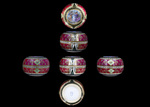
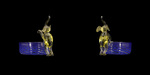
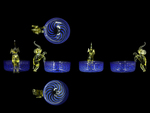
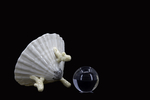
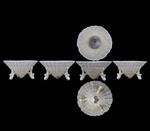
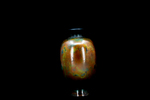
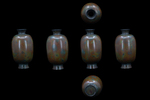
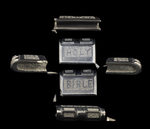
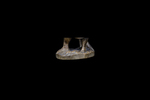
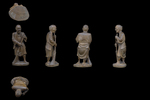
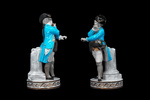
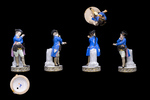
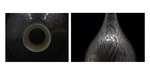
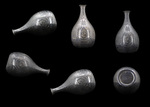
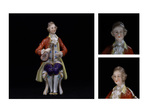
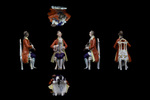
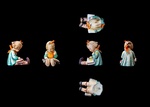
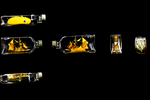
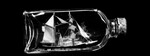
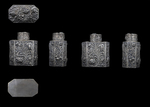
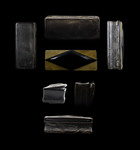
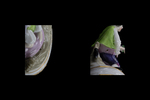
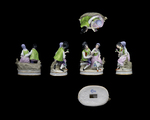
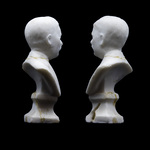
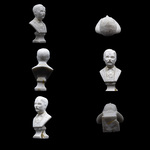
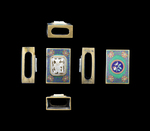
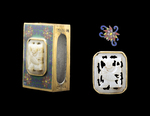
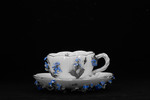
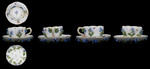
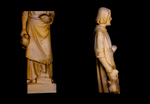
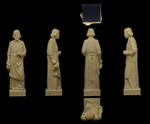
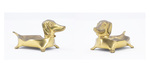
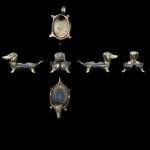
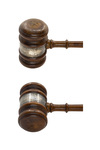
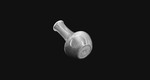
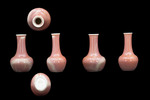
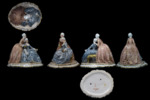
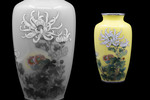
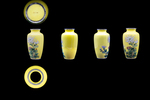
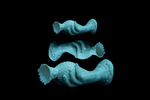
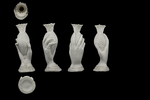
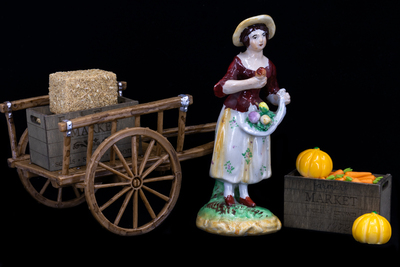
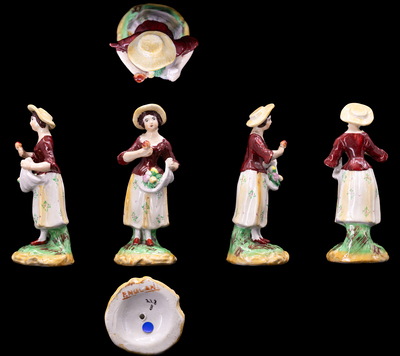
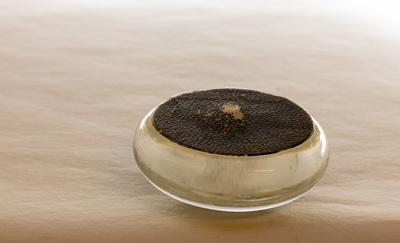
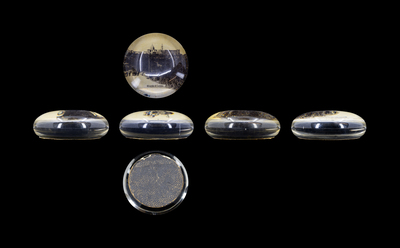
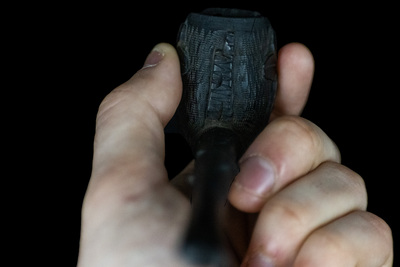
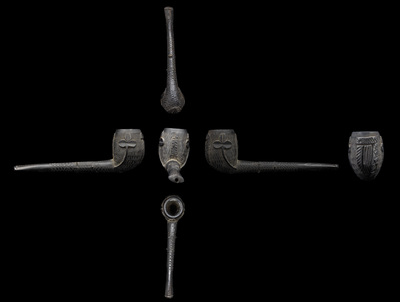
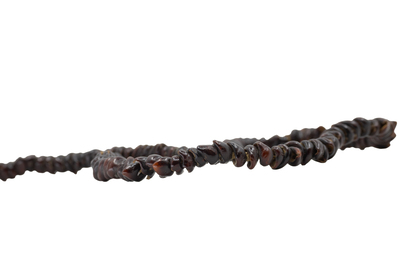
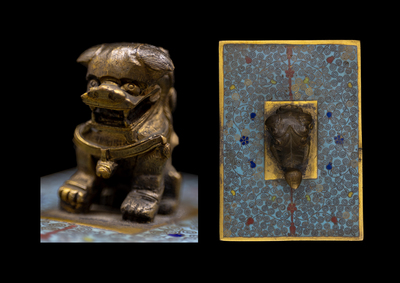
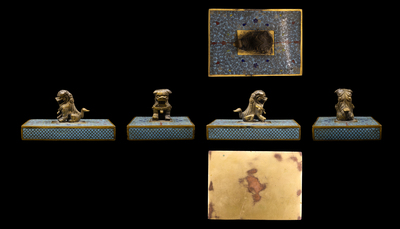
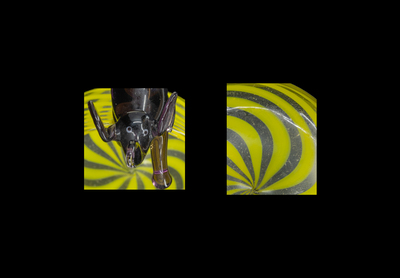
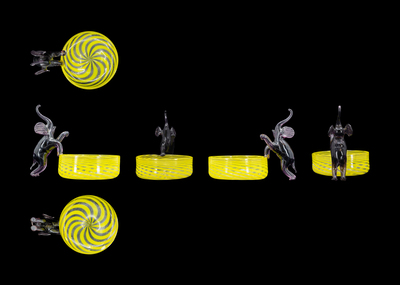
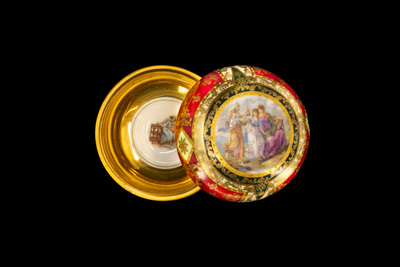
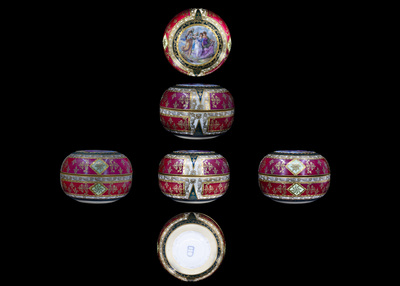
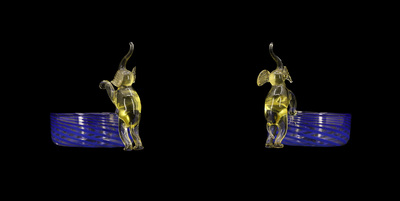
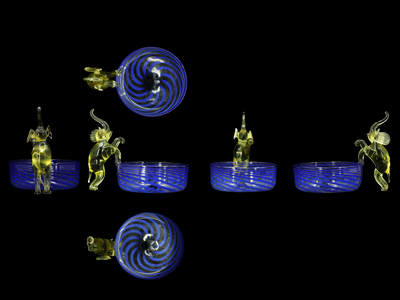
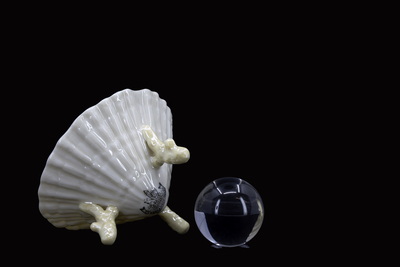
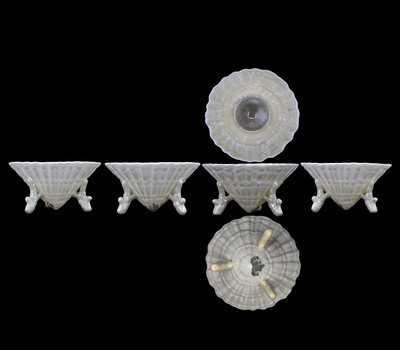
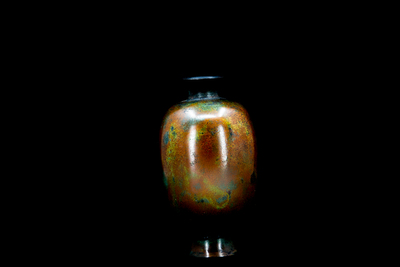
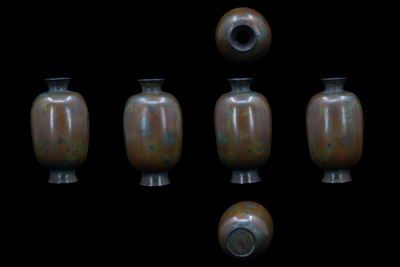
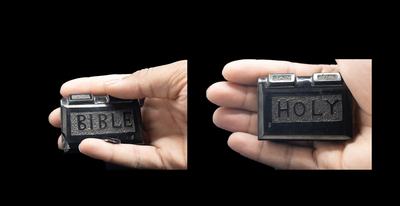
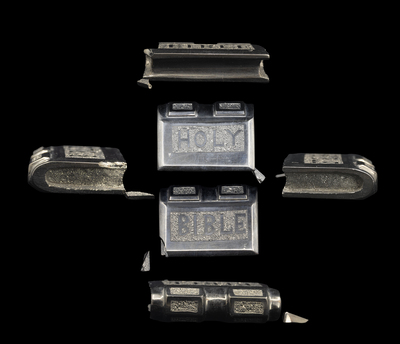
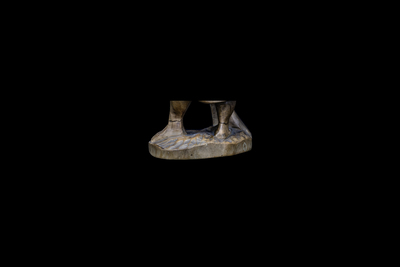
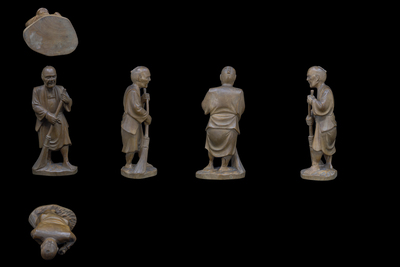
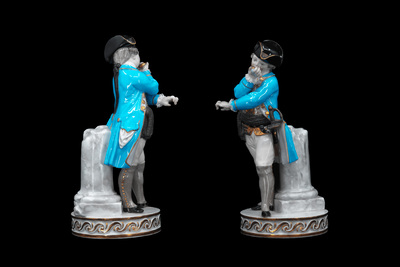
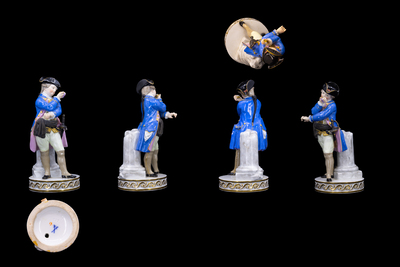
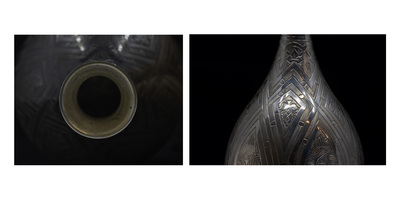
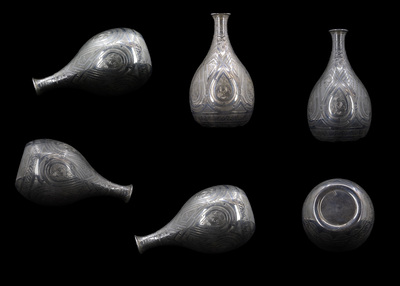
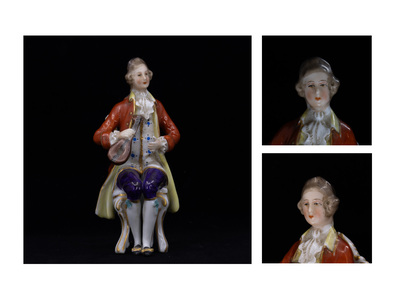
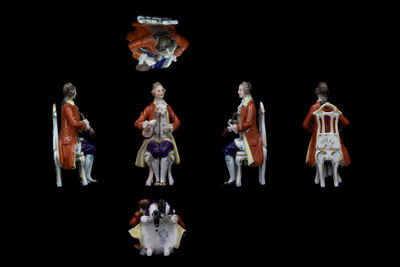
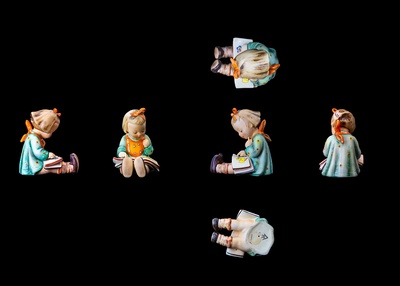
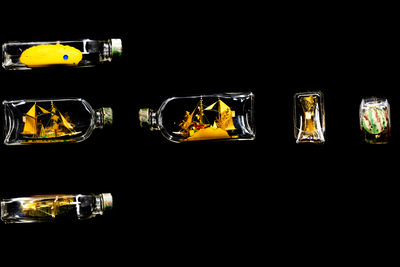
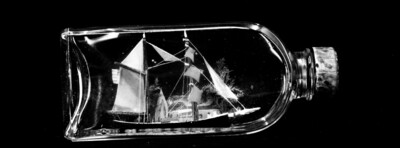
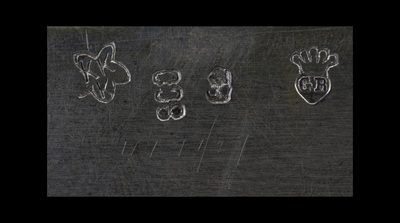
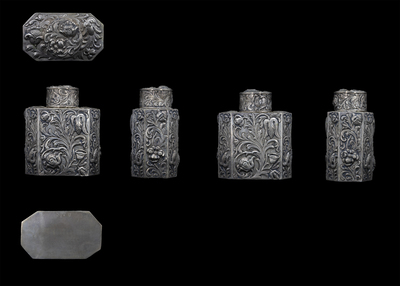
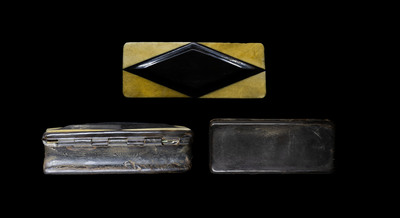
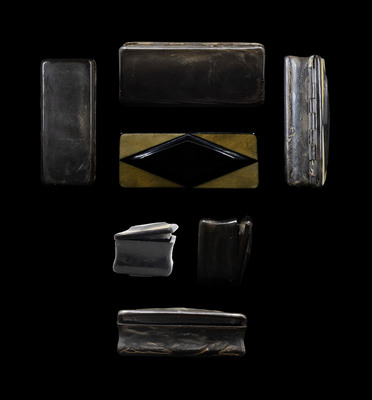
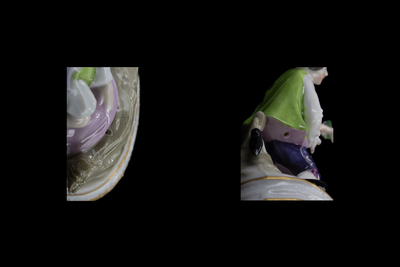
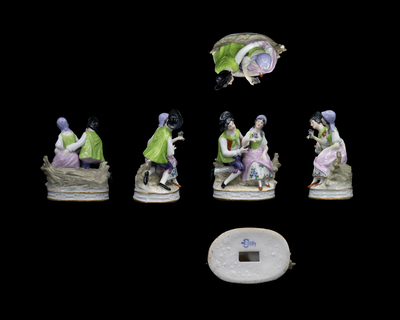
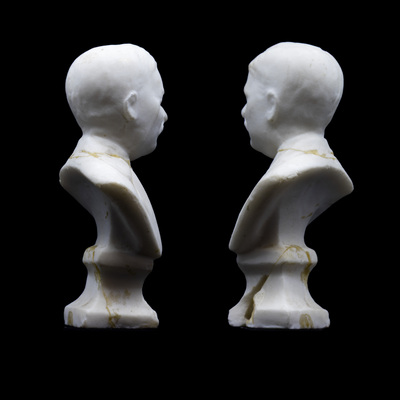
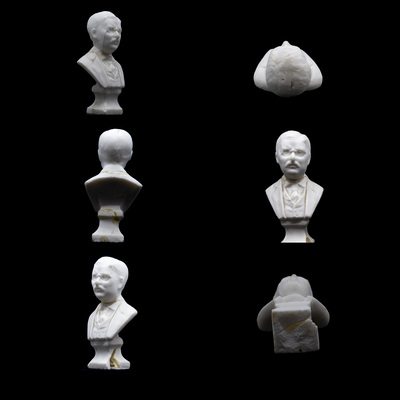
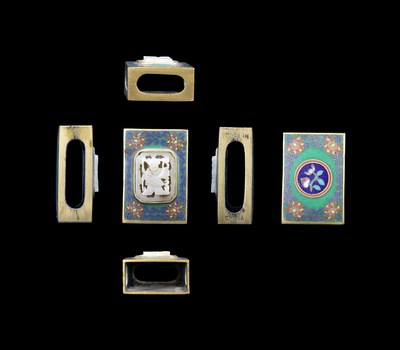
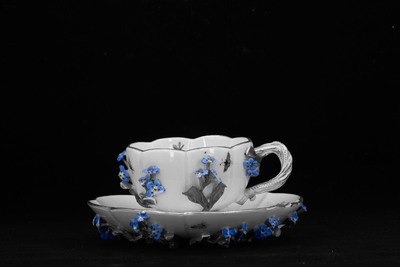
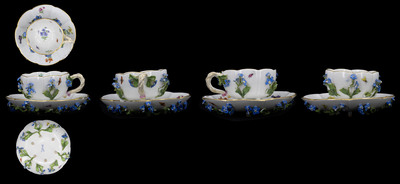
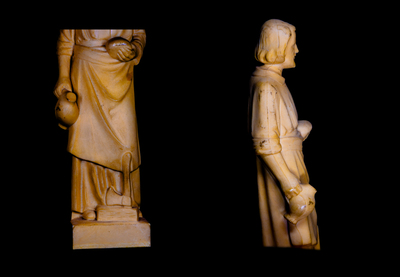
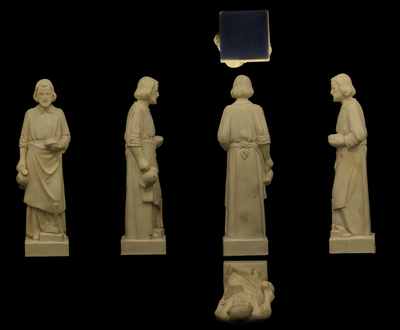
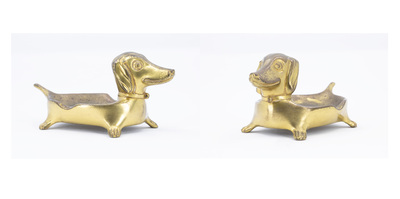
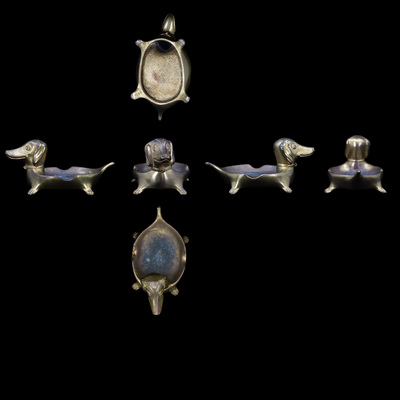
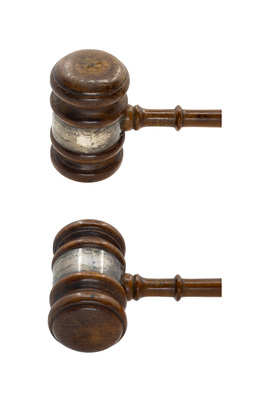
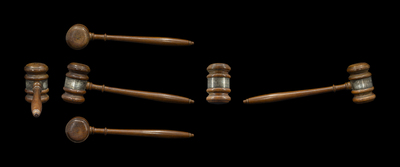
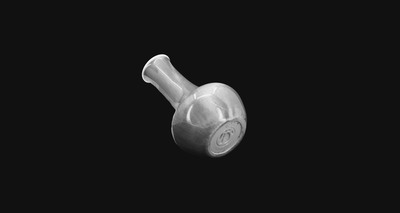
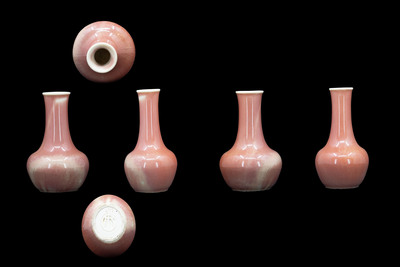
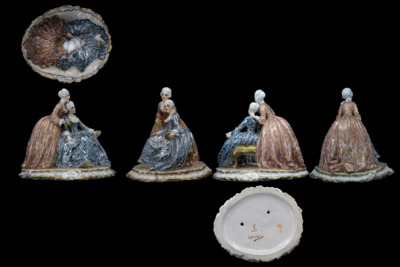
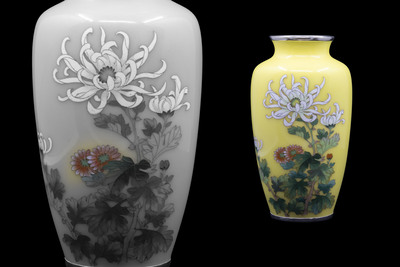
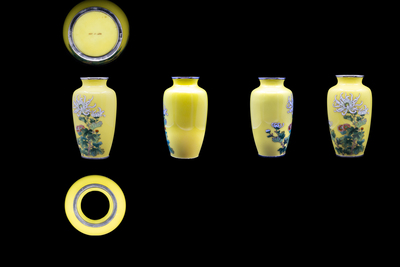
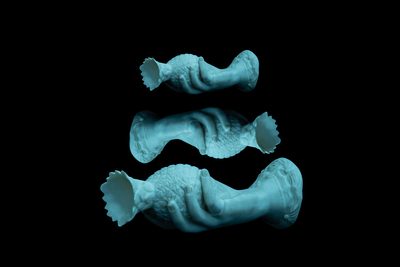
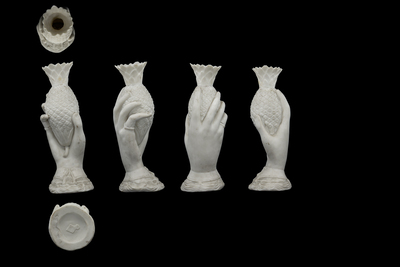
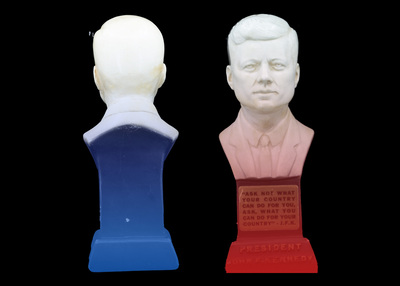
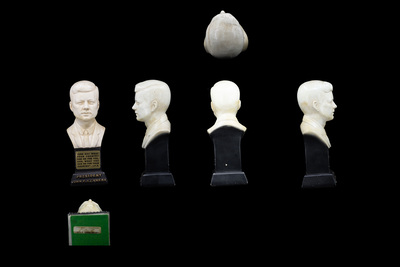
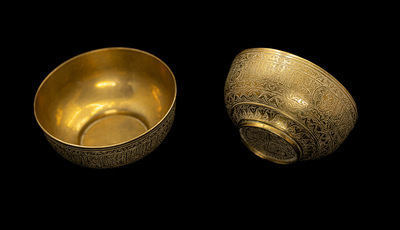
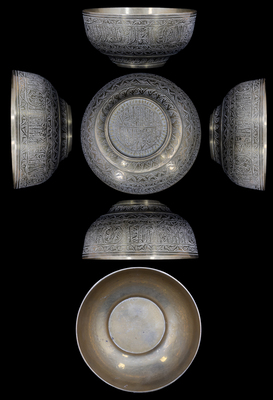
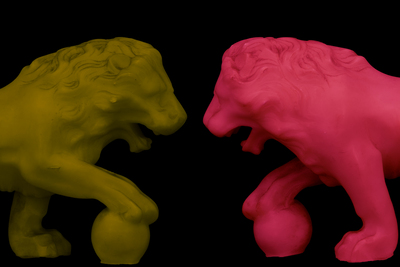
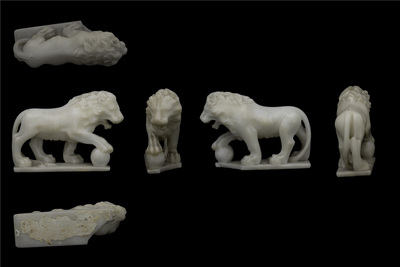
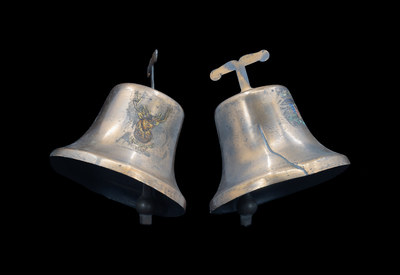
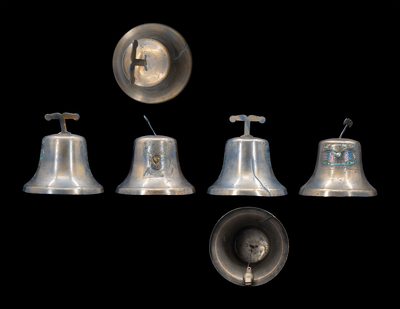
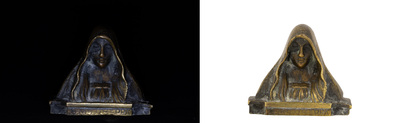
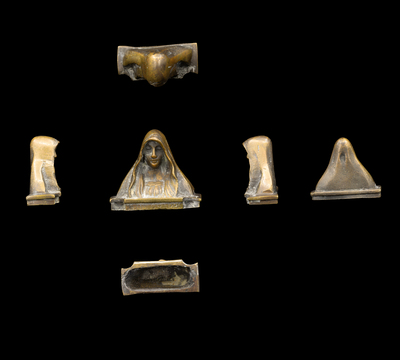
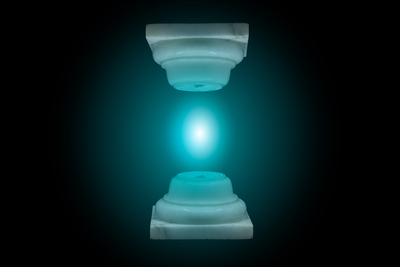
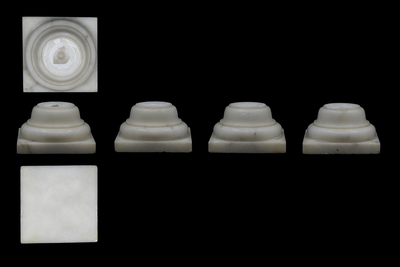
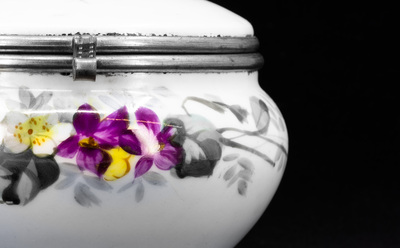
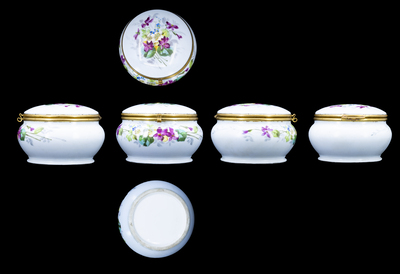
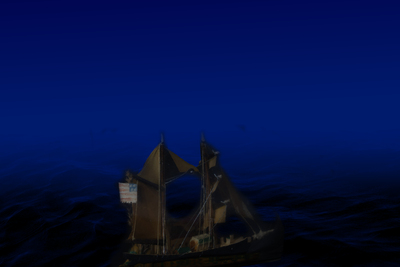
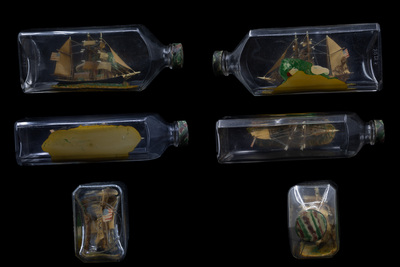
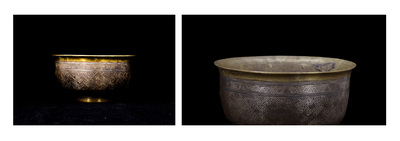
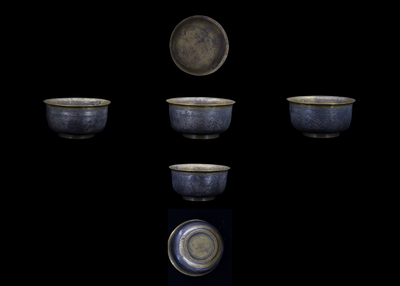
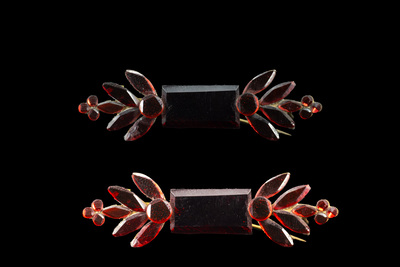
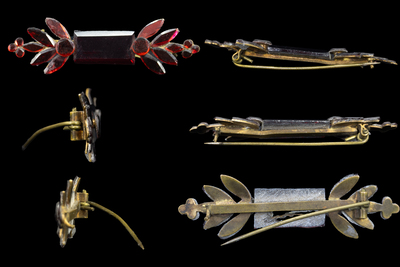
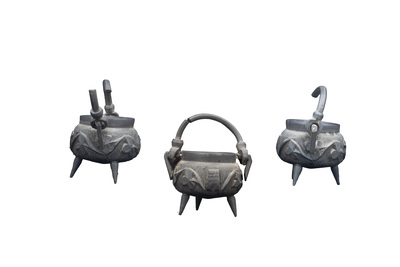
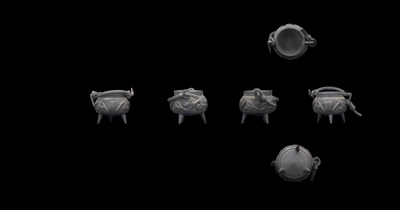
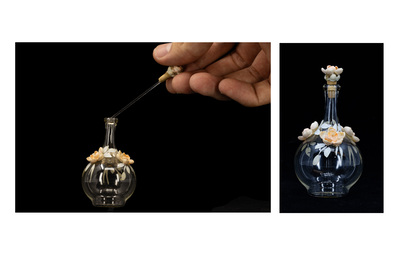
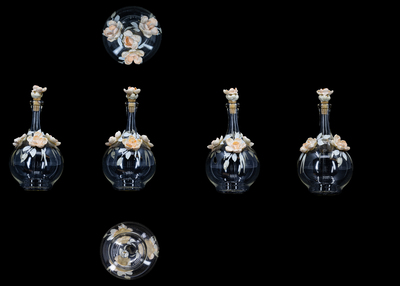
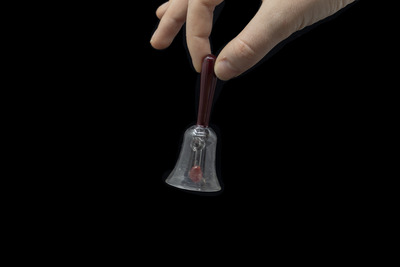
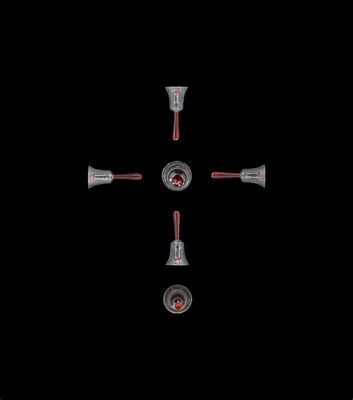
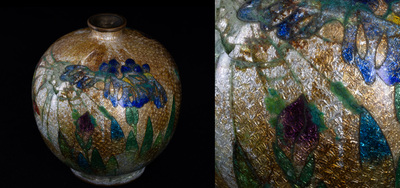
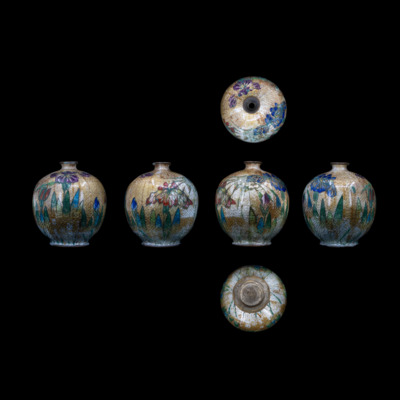
Students in “Photographing Antiquity,” a course in the Classics Department offered by Professor Elizabeth Knott, explore different practices for the documentation of small-scale objects by photographing objects in the Study Collection of the College of the Holy Cross’s Archives and Distinctive Collections. At the beginning of the semester, each student selects an object to photograph. During the first half of the semester, students learn how to photograph objects using a professional-grade digital camera with macro lens and a portable lightbox; they also learn how to edit raw captures to produce final image plates that feature their objects. Students create one “standard” image plate using standardized settings to document six sides of their objects and one “creative” image plate that presents select aspects of their object that they wish to highlight. Creating a “standard” and “creative” image plate encourages students to think about the goals of cultural heritage documentation and the role of photography in the preservation and study of the past.
In addition to introducing students to issues in cultural heritage photography, this project also contributes to the documentation of the ADC’s Study Collection. Objects in the Study Collection rarely have any associated documentation. Donated at various points in time, most objects show traces of use and were clearly meaningful to someone, but the biographies of these objects are, for the most part, lost. This collection therefore raises interesting questions about the meaningfulness of so-called “orphaned objects” and the responsibilities of curators and scholars to such collections.
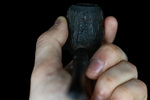
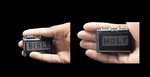
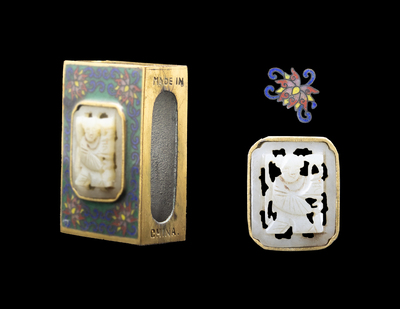
Rather than reconstructing records for the objects in the Study Collection by researching their manufacture and value, students are asked to find ways to appreciate the objects on their own terms by paying close attention to their physicality and condition. In so doing, students practice skills of close-looking and empathy, responding to the college's mission to "remain open to that sense of the whole which calls us to transcend ourselves and challenges us to seek that which might constitute our common humanity.” This approach is particularly clear in the “creative” plates, where the individual student’s insights and curiosity are showcased.
Photographs were taken in the Classics Department’s Photography Lab and edited using Adobe Software with the help of digital content experts at the college. Pages show the students' “standard” and “creative” photographs and include label texts describing the students' approaches and ideas.
Thanks to the following individuals for their instrumental assistance in the project: Mary McLeod, Ian Kaloyanides, Lenora Robinson, Abby Stambach, and Lisa Villa.